|
|
On our journey in life, the most profound thing that we can offer others--partners, children, parents, friends, co-workers, bosses, neighbors--is our own healing and growth towards being a more loving person.
|
|
|
|
|
On our journey in life, the most profound thing that we can offer others--partners, children, parents, friends, co-workers, bosses, neighbors--is our own healing and growth towards being a more loving person.
|
|
|
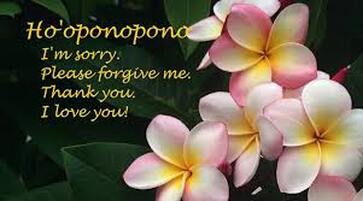
The second step in the four-step practice Beginning Anew** is expressing regret or apologizing for anything that you wish you would have done differently. When we recognize that we made a mistake or have hurt someone that we deeply care about, it helps if we can find the courage to apologize before it becomes a knot in the relationship. We can begin to recognize the knots that need to be untangled. While it isn't easy to look at our own negative feelings and behavior, it is actually a blessing when they surface because we can recognize that we need to pay attention to them. As we practice the art of mindful living together, we can learn to help untie each other's knots. Saying "I am sorry" or "I was wrong" can be exceedingly difficult. Many of us will do almost anything to avoid admitting that we were wrong. We protect ourselves from being exposed and we fear losing others' respect and love. However, owning our part in causing pain and apologizing for something we regret can begin to dissolve the hurt the other person feels and the distance that anger and mistrust creates in a relationship. "I am sorry" and "Please forgive me" are two of the phrases of the Ho'oponopono Prayer. The word Ho’oponopono roughly translates to “cause things to move back in balance” or to “make things right with oneself and others." This ancient tradition that was the mantra of redemption for families who were separated or estranged from each other was updated by Morrnah Nalamaku Simeona in the 1970s. Recognized as a Kahuna Iapa’au (healer) in Hawaii and honored by the State of Hawaii as a Living Treasure in 1983, Morrnah Simeona taught that the main purpose of this process is to discover the Divinity within oneself first, then acknowledge the Divine in the other. She left her updated version of this ancient Hawaiian philosophy of problem-solving to humankind as a gift to be shared and practice. During this holiday season, I encourage you to think of family and friends with whom you may need to make things right. Starting by connecting to the divine within supports us in self-awareness and self-forgiveness. If you would like support in practicing the Ho'oponopono, you can find many video versions on YouTube. I also like Insight Timer as a resource for meditation practices which can be accessed on the web and as an app on your phone. Here is a sample: insighttimer.com/duongminhthong/guided-meditations/hooponopono-practice-everyday-50-times **The content for this series is inspired by the book "Beginning Anew: Four Steps to Restoring Communication" by Sister Chan Khong. If you missed the first two blogposts in this series, you can find them here: creating-happiness-is-an-art.html watering-each-others-flowers.html Comments are closed.
|
Categories
All
Archives
August 2026
|