|
|
On our journey in life, the most profound thing that we can offer others--partners, children, parents, friends, co-workers, bosses, neighbors--is our own healing and growth towards being a more loving person.
|

|
|
|
|
On our journey in life, the most profound thing that we can offer others--partners, children, parents, friends, co-workers, bosses, neighbors--is our own healing and growth towards being a more loving person.
|

|
|
|
In the book, “Play: How it Shapes the Brain, Opens the Imagination, and Invigorates the Soul,” Dr. Stuart Brown explains that play is anything but trivial. It is a biological drive as integral to our health as sleep or nutrition. We are designed by nature to flourish through play. Keep reading for ideas on how and why play should be a part of your holiday plans.
Play explains why play is essential to our social skills, adaptability, intelligence, creativity, ability to problem solve and more. Particularly in tough times, we need to play more than ever, as it's the very means by which we prepare for the unexpected, search out new solutions, and remain optimistic. In fact, play just might be the most important work we can ever do. One point that Brown makes repeatedly is that true play requires a person to let go of pride and self-consciousness. A game of Twister would be horrible if everybody were concerned about what others thought of them. In short, play requires humility. Developing a humble spirit around others allows one to truly play with others- and since play is that which fosters creativity, a culture where humility is the rule is a far healthier culture, economically and socially. Play is the cornerstone of happiness and being a parent and grandparent allows the opportunity to play without getting weird looks when we let our silly sides to show. So, what is on your family’s play list this holiday season? What fun do you have planned that can engage the whole family? If your family play list needs some work, use the next family-meeting to discuss this topic. Have each member of the family answer the following three questions:
Next, figure out what types of play all of you enjoy. Then, plan some family outings or activities. It may be that you need to break into smaller groups with a couple of activity choices in order to accomodate everyone. An appreciation activity that my family has enjoyed over the years is having everyone sit around a table with a piece of paper in front of them. Ask each person to put their name in the middle. Explain that this is an opportunity to write (or draw if you have young ones) something that they appreciate about the other family members. To begin, have everyone pass their paper to the left (or right). Whoever is guiding the activity instructs the papers to be passed after 1 minute or so. Continue until each person has their own paper in front of them with wonderful words of acknowledgment and appreciation across the page. Another year, we had a scavenger hunt using our cell phones. The extended family members were divided into teams with a designated driver and a list of things to accomplish and record in a set amount of time. Some of the items were: singing a Christmas carol at the local town square, vacuuming the car at car wash (one team had no coins so they used their voices to mimic the sound), and going to a local movie theater and asking those leaving how they would rate the movie they just saw. It was a great intergenerational activity that engaged everyone and of course, the highlight was gathering back together and viewing each team’s movie. Need more ideas? Reach out to family members to find out their suggestions. Research fun things to do in your area. And have a blast! The fourth part of Beginning Anew** is letting the other person know that you are upset because of something that they said or did. However, as most of us know from past experience, this cannot be done while we are still in the middle of feeling hurt, irritated or just plain mad. When we feel hurt or irritated, it is wise to refrain from speaking or acting in those moments. Simply remember to breathe and move away from the person. If you must say something, keep it simple, "I am upset but I am not ready to talk about it yet. I will let you know when I am more calm and able to explain." Taking time to process why you are upset is essential. We cannot change something of which we are not aware. Mindful breathing is helpful. It may be useful to journal, reflect silently or even talk to a trusted friend. Think about what upsets you. Have you experienced this before? Is the impact greater because it reminds us of something from the past? Is it possible that you misunderstood what was said? Did you contribute in some way to the situation? What do you need to express about how you felt? What do you need to say in order to restore the connection in the relationship? There are two basic paths that we can talk in express why we were upset to another: we can throw words like darts, resulting in creating defensiveness or we can speak calmly and sincerely about how we felt which most likely will result in being able to be heard and hear the other. Sometimes, when a wall already exists between two people, it is necessary to return to the first step in this process: watering-each-others-flowers.html. It may also be helpful to have a facilitator to keep communication safe. As a Safe Conversations® facilitator, I guide individuals, couples, and families to work through challenges and misunderstandings with "The Frustration Dialogue" process. For more on Safe Conversations: Build Connection Webinar. The final step of Beginning Anew** is a practice initiated by Thich Nhat Hanh--Hugging Meditation. He describes it as a combination of East and West wisdom. Tea comes from Asia where making a cup of tea involves taking the dried leaves, boiling water, steeping them in a teapot for some time, straining the leaves and then pouring to drink the tea. When tea came to the west, they made teabags which makes the process much quicker and easier. Like this combination of the East-West wisdom, hugging meditation is a wonderful East-West practice for reconciliation. It involves the western greeting of hugging a family member or friend while bringing meditation into the experience. Before hugging, you bring your mind completely into the present moment. Then, looking deeply at the other person, contemplate how precious they are. Breath in their presence, acknowledging their presence and importance to you. Breathe out gratitude that they are here with you in this moment. **The content for this series is inspired by the book "Beginning Anew: Four Steps to Restoring Communication" by Sister Chan Khong. If you missed the other blogposts in this series, you can find them here: creating-happiness-is-an-art.html watering-each-others-flowers.html expressing-regret.html asking-for-more-information.html
The third part of Beginning Anew** is about understanding what's going on in the other person's mind. Often if someone else feels slighted or misunderstood by us, we can see in their reaction to us that we have hurt them and we are able to apologize immediately. However, sometimes it may be a small thing that goes unnoticed. Little hurts can add up, so it is important to check in with our loved ones regularly. When we have a genuine understanding of each other, it fosters mutual respect and deep love. Asking your son, daughter, spouse, or coworker specific questions and really listening to the answers can create a better understanding of each other. Following are some examples of such questions and conversations:
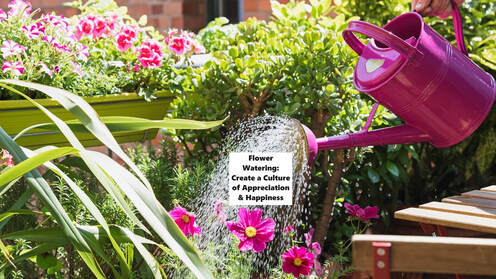
When teaching Safe Conversations®, I guide individuals to ask, "Is there more about that?" as part of the dialogue practice. Doing this expresses curiosity, a vitally important expression of interest, respect, and validation to the other person. It also opens the door for them to pause and think about what else might need to be said. Next week's blog will give more guidance on how to safely express hurt, frustration or disagreement with someone. For more on Safe Conversations®, www.coachmyrna.org/create-connection-in-relationships.html **The content for this series is inspired by the book "Beginning Anew: Four Steps to Restoring Communication" by Sister Chan Khong. If you missed the other blogposts in this series, you can find them here: creating-happiness-is-an-art.html watering-each-others-flowers.html expressing-regret.html The second step in the four-step practice Beginning Anew** is expressing regret or apologizing for anything that you wish you would have done differently. When we recognize that we made a mistake or have hurt someone that we deeply care about, it helps if we can find the courage to apologize before it becomes a knot in the relationship. We can begin to recognize the knots that need to be untangled. While it isn't easy to look at our own negative feelings and behavior, it is actually a blessing when they surface because we can recognize that we need to pay attention to them. As we practice the art of mindful living together, we can learn to help untie each other's knots. Saying "I am sorry" or "I was wrong" can be exceedingly difficult. Many of us will do almost anything to avoid admitting that we were wrong. We protect ourselves from being exposed and we fear losing others' respect and love. However, owning our part in causing pain and apologizing for something we regret can begin to dissolve the hurt the other person feels and the distance that anger and mistrust creates in a relationship. "I am sorry" and "Please forgive me" are two of the phrases of the Ho'oponopono Prayer. The word Ho’oponopono roughly translates to “cause things to move back in balance” or to “make things right with oneself and others." This ancient tradition that was the mantra of redemption for families who were separated or estranged from each other was updated by Morrnah Nalamaku Simeona in the 1970s. Recognized as a Kahuna Iapa’au (healer) in Hawaii and honored by the State of Hawaii as a Living Treasure in 1983, Morrnah Simeona taught that the main purpose of this process is to discover the Divinity within oneself first, then acknowledge the Divine in the other. She left her updated version of this ancient Hawaiian philosophy of problem-solving to humankind as a gift to be shared and practice. During this holiday season, I encourage you to think of family and friends with whom you may need to make things right. Starting by connecting to the divine within supports us in self-awareness and self-forgiveness. If you would like support in practicing the Ho'oponopono, you can find many video versions on YouTube. I also like Insight Timer as a resource for meditation practices which can be accessed on the web and as an app on your phone. Here is a sample: insighttimer.com/duongminhthong/guided-meditations/hooponopono-practice-everyday-50-times **The content for this series is inspired by the book "Beginning Anew: Four Steps to Restoring Communication" by Sister Chan Khong. If you missed the first two blogposts in this series, you can find them here: creating-happiness-is-an-art.html watering-each-others-flowers.html Everyone wants to experience happiness and harmony in their relationships with family and friends. Since all relationships are made up of imperfect human beings, we know that misunderstandings and arguments will occur. If we try to ignore or suppress our hurt feelings, eventually, they will burst out and possibly damage or destroy the connection we have with someone we really care about. On the other hand, going directly to the person to convey how you are upset by what they said or did usually doesn't go well, especially if we are still feeling wounded or angry about the incident. As I mentioned in last week's blog creating-happiness-is-an-art.html, I will be sharing a four-step practice Beginning Anew** which gives us a way to clear up misunderstandings, heal our relationships, and reconcile with each other. This week, we begin with Step One: Watering Each Other's Flowers. If we have a garden that we regularly water and pay attention to, we will have lovely flowers and other plants to enjoy. In the same way, we can refresh and nurture our relationships by expressing our appreciations and gratitude to them. It is by acknowledging something--big or small--that the other person has said or done that we "water the flower" in the person. The amazing added benefit is that it trains us to be more attentive in daily life to the many small kindnesses and beauties of others around us, thus increasing our own happiness as well. It is important to find a way to incorporate into our lives the practice of appreciating others. Below are some suggestions to get you started.
The art of happiness is the capacity to create an environment where everyone is seen, valued, and appreciated on a regular basis. **The content for this series is inspired by the book "Beginning Anew: Four Steps to Restoring Communication" by Sister Chan Khong. www.amazon.com/Beginning-Anew-Steps-Restoring-Communication/dp/1937006816 |
Categories
All
Archives
August 2026
|