|
|
On our journey in life, the most profound thing that we can offer others--partners, children, parents, friends, co-workers, bosses, neighbors--is our own healing and growth towards being a more loving person.
|
|
|
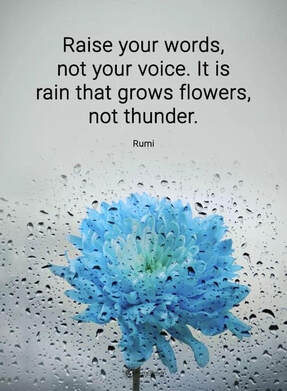 The fourth part of Beginning Anew** is letting the other person know that you are upset because of something that they said or did. However, as most of us know from past experience, this cannot be done while we are still in the middle of feeling hurt, irritated or just plain mad. When we feel hurt or irritated, it is wise to refrain from speaking or acting in those moments. Simply remember to breathe and move away from the person. If you must say something, keep it simple, "I am upset but I am not ready to talk about it yet. I will let you know when I am more calm and able to explain." Taking time to process why you are upset is essential. We cannot change something of which we are not aware. Mindful breathing is helpful. It may be useful to journal, reflect silently or even talk to a trusted friend. Think about what upsets you. Have you experienced this before? Is the impact greater because it reminds us of something from the past? Is it possible that you misunderstood what was said? Did you contribute in some way to the situation? What do you need to express about how you felt? What do you need to say in order to restore the connection in the relationship? There are two basic paths that we can talk in express why we were upset to another: we can throw words like darts, resulting in creating defensiveness or we can speak calmly and sincerely about how we felt which most likely will result in being able to be heard and hear the other. Sometimes, when a wall already exists between two people, it is necessary to return to the first step in this process: watering-each-others-flowers.html. It may also be helpful to have a facilitator to keep communication safe. As a Safe Conversations® facilitator, I guide individuals, couples, and families to work through challenges and misunderstandings with "The Frustration Dialogue" process. For more on Safe Conversations: Build Connection Webinar. The final step of Beginning Anew** is a practice initiated by Thich Nhat Hanh--Hugging Meditation. He describes it as a combination of East and West wisdom. Tea comes from Asia where making a cup of tea involves taking the dried leaves, boiling water, steeping them in a teapot for some time, straining the leaves and then pouring to drink the tea. When tea came to the west, they made teabags which makes the process much quicker and easier. Like this combination of the East-West wisdom, hugging meditation is a wonderful East-West practice for reconciliation. It involves the western greeting of hugging a family member or friend while bringing meditation into the experience. Before hugging, you bring your mind completely into the present moment. Then, looking deeply at the other person, contemplate how precious they are. Breath in their presence, acknowledging their presence and importance to you. Breathe out gratitude that they are here with you in this moment. **The content for this series is inspired by the book "Beginning Anew: Four Steps to Restoring Communication" by Sister Chan Khong. If you missed the other blogposts in this series, you can find them here: creating-happiness-is-an-art.html watering-each-others-flowers.html expressing-regret.html asking-for-more-information.html 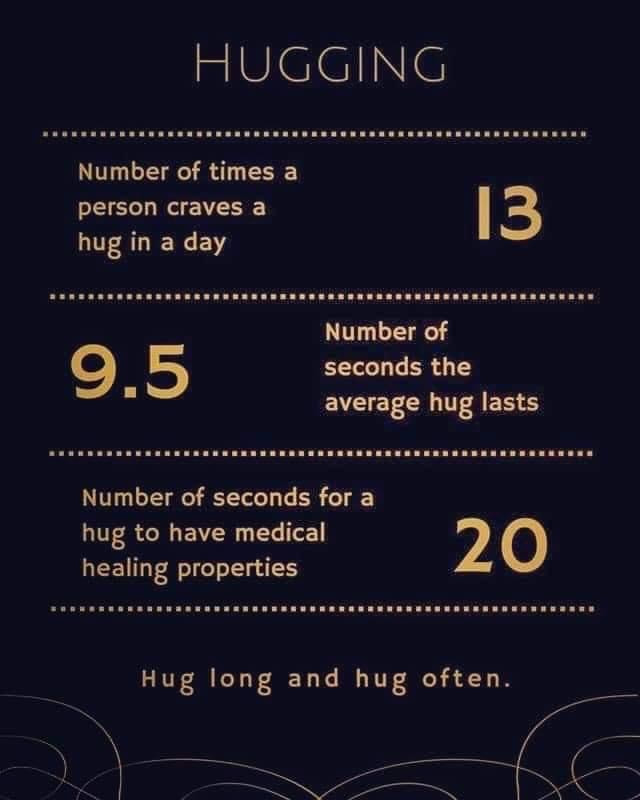
Comments are closed.
|